
Cheating During Testing Understanding and Controlling Anxiety
The invisible run-ender that deletes safe windows before you know what happened.
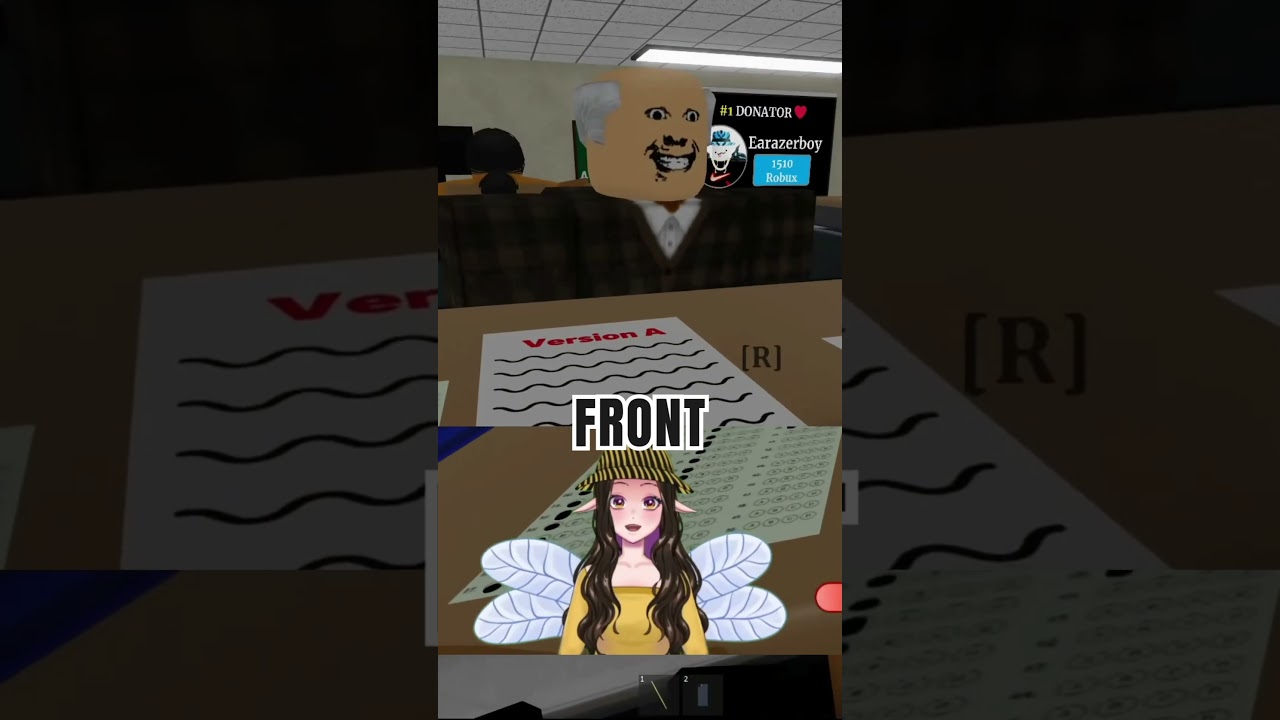
Anxiety is the most punishing meter in Cheating During Testing because its failure mode is invisible: at 100%, every safe window you thought you had disappears. The teacher locks onto you and stares, the exam continues without you, and you return to the lobby with a caught screen you did not see coming. This guide is a deep focus on that meter alone — how it climbs, how it falls, and the specific habits that keep it below the stare threshold.
What Anxiety does
Anxiety rises when you look around the room. It falls when you face your desk and use the pencil. At low levels the meter is invisible — the game gives you no readout during normal play, you simply feel the pressure. At high levels, the teacher senses it and begins staring. At 100%, the lock-on is complete: every window closes, and you are watching the rest of the exam from a distance.
What raises Anxiety
The primary driver is camera movement. Checking the teacher, glancing at other students, turning to see where a sound came from — all of it pushes the meter up. The rate depends on how long and how fast you look around. A quick flick to the teacher’s head and back raises it less than a slow pan of the whole room.
Some items raise Anxiety as a trade-off. The Smart Glasses description warns that your Anxiety goes up while wearing them — they offer awareness at the cost of meter pressure. Factor that into your loadout if you are already struggling to keep the meter low.
What lowers Anxiety
Facing forward and writing with the pencil are the two confirmed recovery actions. The in-game Player Guide explicitly lists “using your pencil” as an Anxiety regulation tool. The recommended rhythm is simple: write for a few seconds, peek at the teacher once, act or stay calm, write again.
The pencil does not need to be actively writing — holding it and facing forward is sufficient. Some players keep the pencil in hand at all times outside of phone windows specifically to maintain low Anxiety between actions.
The 100% lock-on and why it is catastrophic
When Anxiety hits 100%, the teacher locks onto you and stares. This is not a catch — you may not have a gadget out. But the effect is the same: every safe window closes. The teacher faces you and does not turn away, so there is no safe photograph moment until the meter drops. In practice, waiting for that recovery in a timed exam usually means running out of clock.
The practical rule: never let Anxiety approach 100%. Keep it below 50% as a working ceiling, and treat anything above that as an emergency stop signal.
The peek rhythm
Anxiety management is rhythm, not reaction. The goal is a repeatable cycle that keeps the meter low enough that every teacher head-turn is a usable window.
Settle: At the start of the exam, face forward with the pencil ready. Let Anxiety drop from whatever it spiked to during seating.
Check: One short camera flick. Find the teacher’s head. Snap back to the front.
Act: If the head is away, open the phone or sheet. If not, stay calm and write.
Recover: Put the gadget away. Face forward. Write until the meter settles.
Repeat. This is the same rhythm described in the Anxiety and Hunger guide, but the specific focus here is the Anxiety mechanic in isolation.
Camera settings and peek cost
High camera sensitivity in Roblox settings reduces the physical movement needed for a peek. Shorter flicks raise Anxiety less than long pans. If your current sensitivity is low, a full 90-degree turn to check the teacher is a significant meter event. Raise sensitivity and practice micro-flicks instead.
Shift Lock off is part of this equation — it keeps the camera obedient during the quick snaps that peek rhythm requires. See Getting Started for the full settings checklist.
Anxiety during phone windows
The phone is the highest-Anxiety action in the game because it requires looking at the sheet and the teacher simultaneously. The meter climbs while the phone is out, even if you are doing everything correctly. That is why holster speed matters: the longer the phone stays in your hands, the more the meter climbs, and the less recovery time you have before the next check.
If Anxiety is already elevated when you open the phone, one additional head-turn peek can push you past 50% mid-window. Factor current meter state into whether to take a window or wait.
Anxiety and snitches
Players with high Anxiety look twitchy. Longer phone holds, more head turns, faster movements. Other students are watching for exactly those patterns because reporting a cheater pays about 20 Credits. Meter discipline is also anti-snitch discipline: the calmer your movements, the less obvious your windows, and the less likely a neighbor files a report.
See Snitching for the full social dynamic.
Recovery after a spike
If Anxiety climbs toward the red zone mid-exam:
- Put the phone away immediately.
- Face forward.
- Write with the pencil until the meter visibly drops.
- Skip the next window even if it looks safe — recovery is more important than one answer.
- Resume with shorter windows and more pencil time.
Accepting a lower grade on one exam is better than getting caught chasing it.
Long exams and meter endurance
As exams progress and the timer counts down, the temptation to take bigger windows grows. This is when Anxiety spikes happen — players who have been disciplined for ten questions throw it away on one greedy thirty-second burst. Treat every window the same regardless of remaining time. The on-time bonus is not worth a caught screen.
Drill for Anxiety control
Play one exam where your only KPI is keeping Anxiety below two-thirds for the entire duration. No grade target. No Credit target. The only win condition is meter survival. When that feels automatic, add grade targets. The calm from that first drill is the foundation every Ultimate Cheater run is built on.
How this connects to other guides
This page is the isolated deep dive on the Anxiety mechanic. It pairs with Anxiety and Hunger for the combined meter system, Avoid Getting Caught for the catch systems Anxiety feeds into, and Ultimate Cheater for the timing windows that require meter control to use.
Frequently Asked Questions
Quick answers to the most common classroom questions.
What raises Anxiety fastest?
Long pans of the room. Short micro-flicks raise it less — raise sensitivity and keep peeks brief.
What does the pencil actually do?
Facing forward with the pencil held lowers Anxiety. It is the primary recovery tool between actions.
What happens at 100% Anxiety?
The teacher locks onto you and stares, removing all safe windows. Recovery is slow in a timed exam — prevent it instead.
Do Smart Glasses raise Anxiety?
Yes — the item description warns Anxiety rises while wearing them. Factor this into loadout decisions.